Design is not a linear process
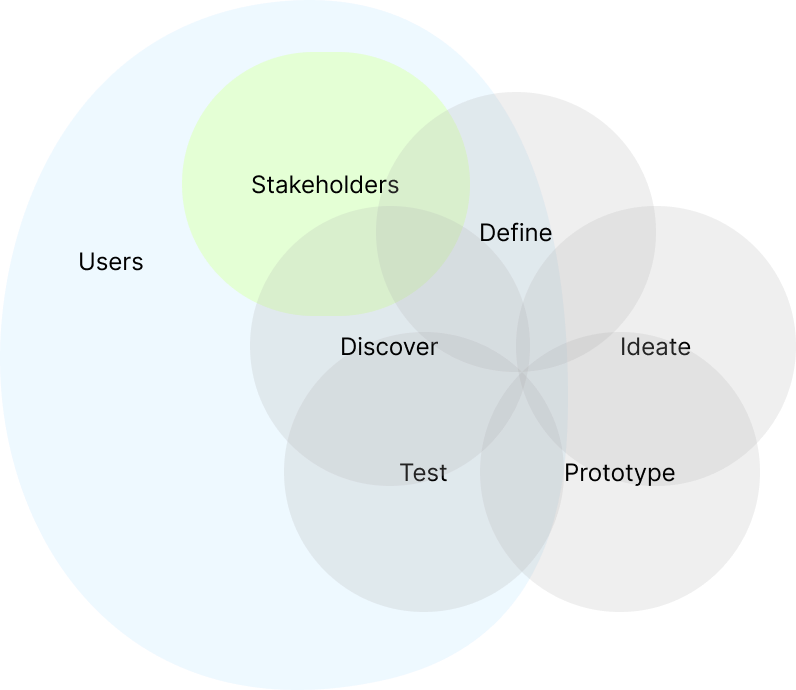
The phases aren't discrete steps so much as overlapping lenses, each informing the others in ways that loop back as often as they move forward. The needs and pain points of users give the work its shape, while stakeholders provide the broader context of business and compliance requirements that determine organizational priorities. Neither is sufficient alone. Ideation and prototyping are where I work at the edges — giving form to hypotheses, exploring what might be possible — before bringing solutions back to both. The design process is about holding that tension and working towards alignment.
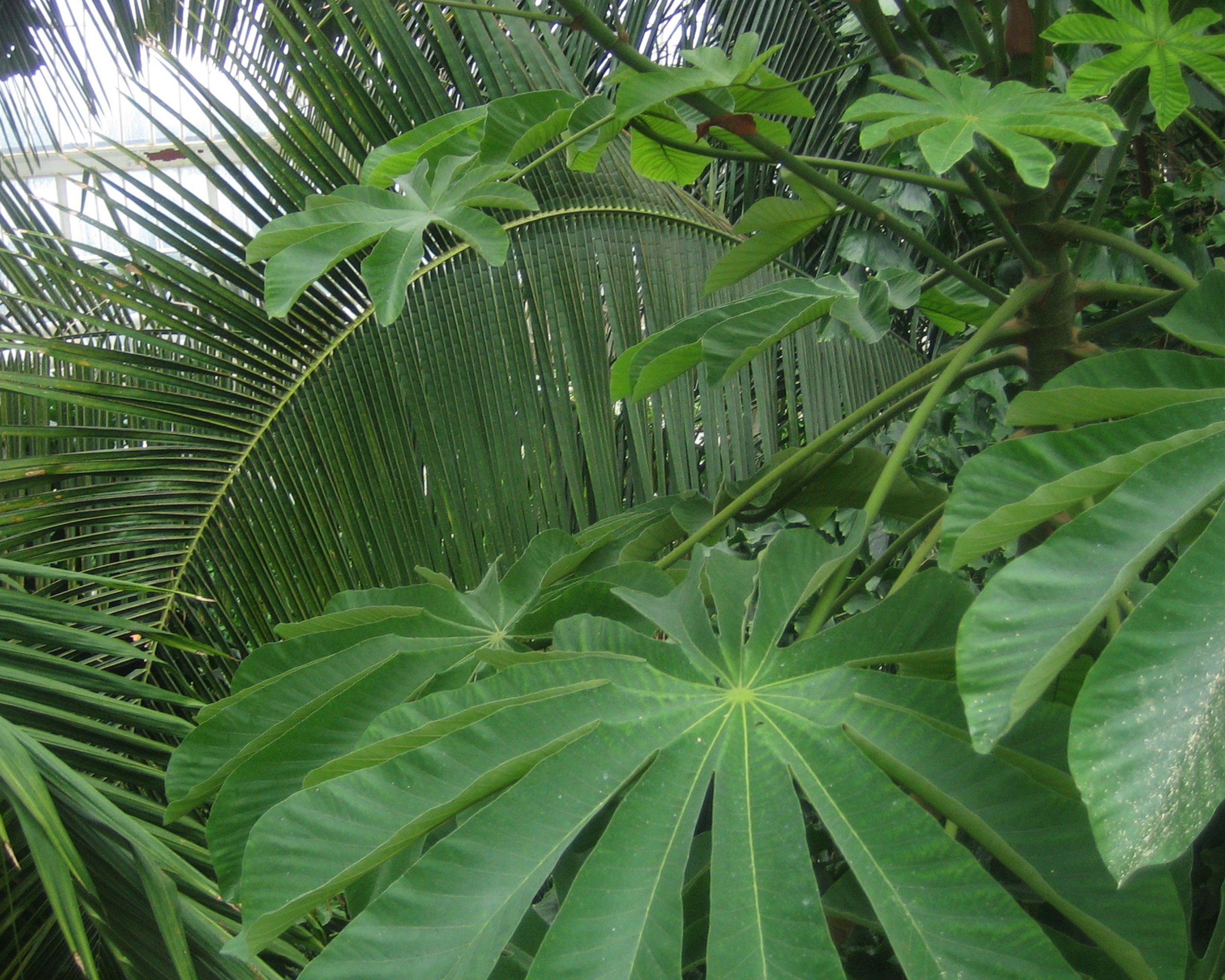
The same curiosity that shapes how I move through the world drives my design practice.
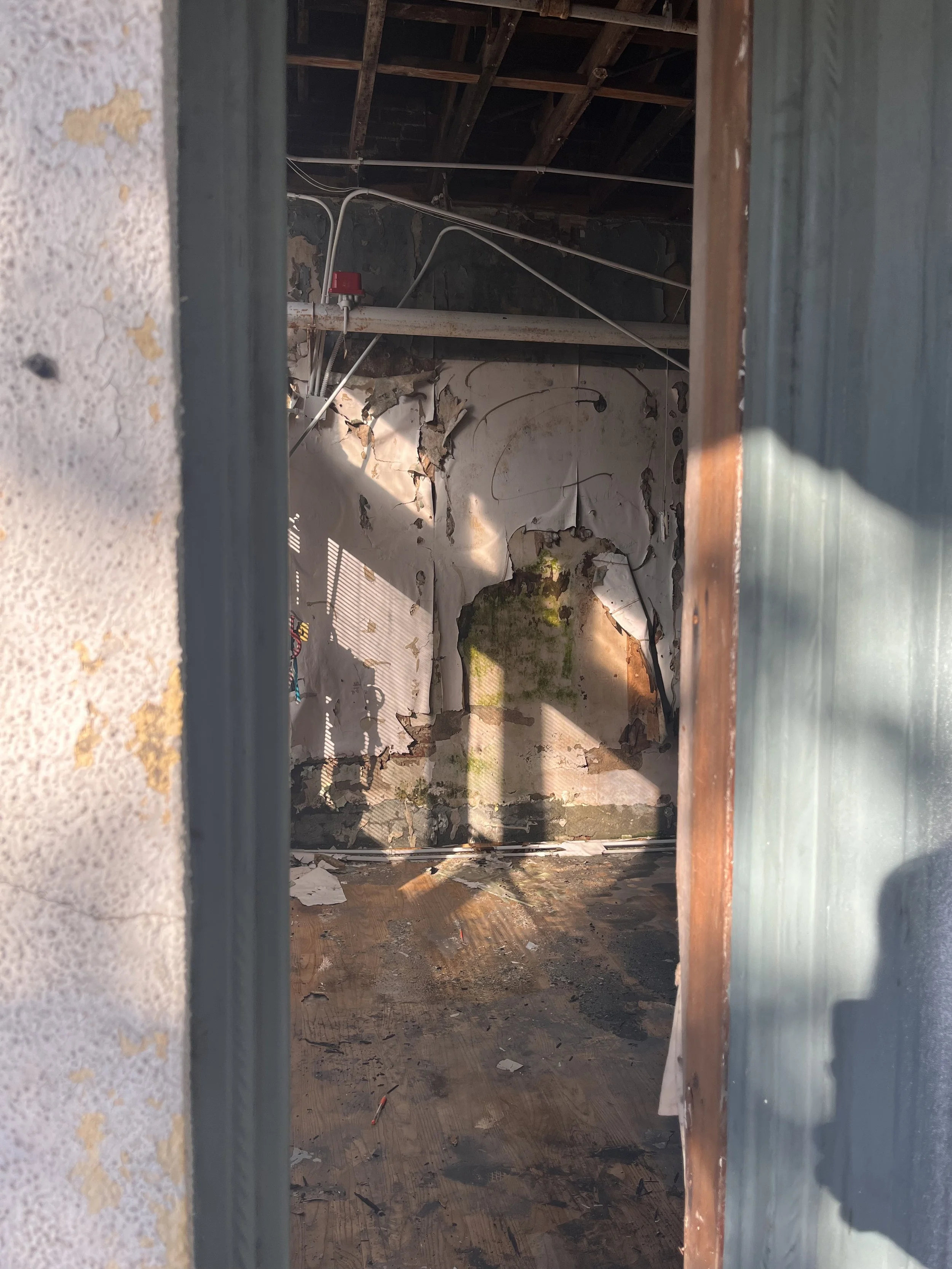
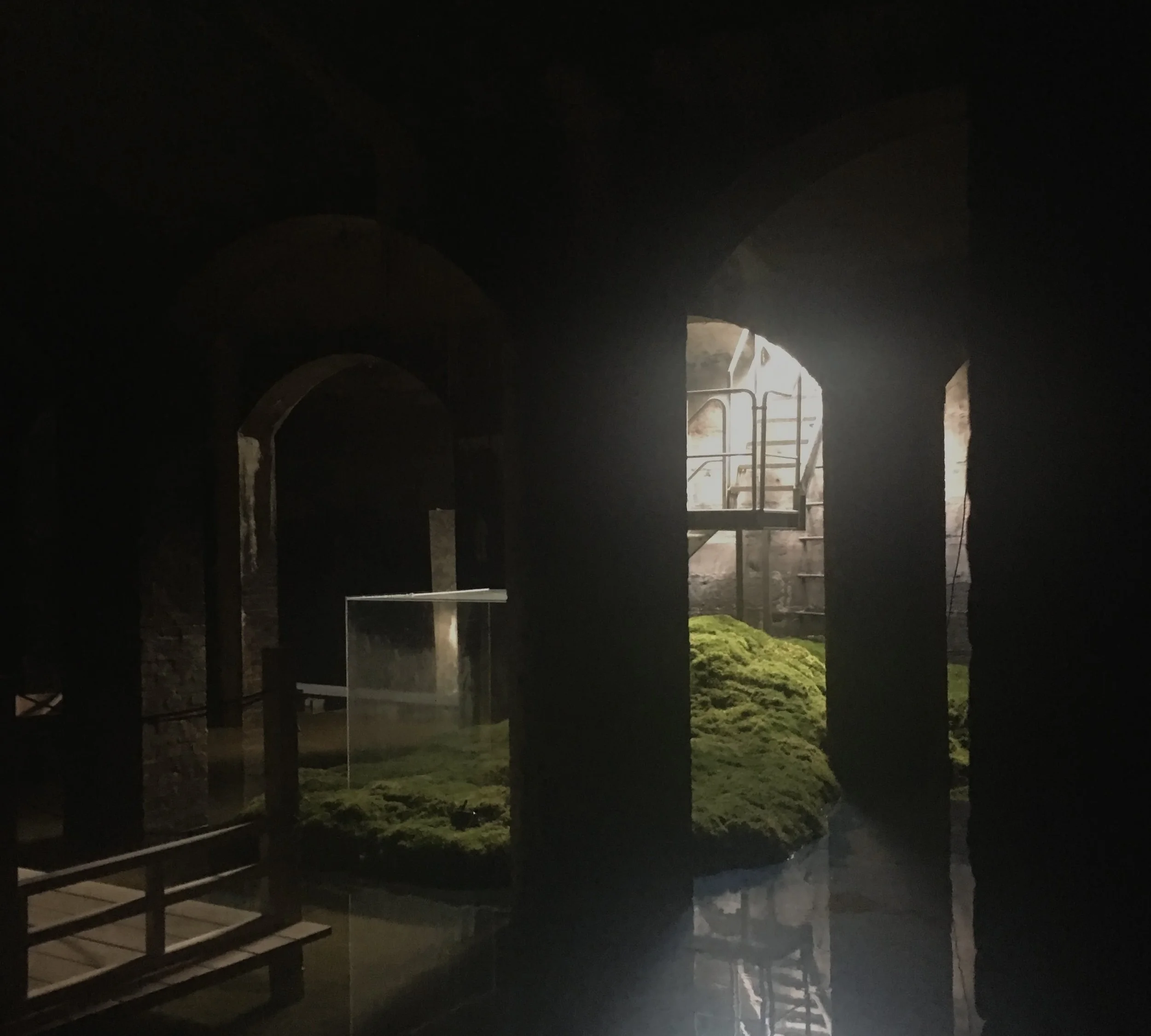
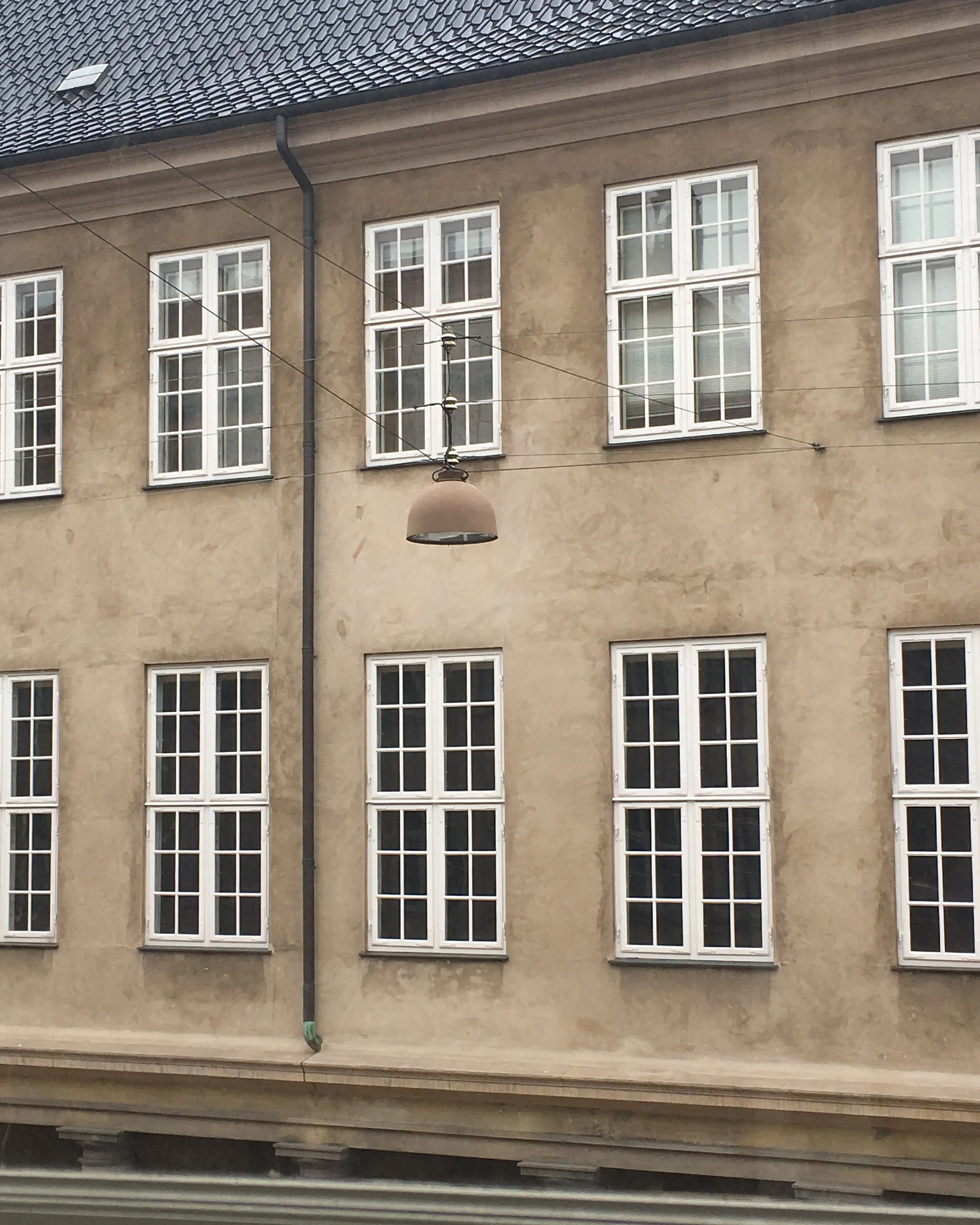
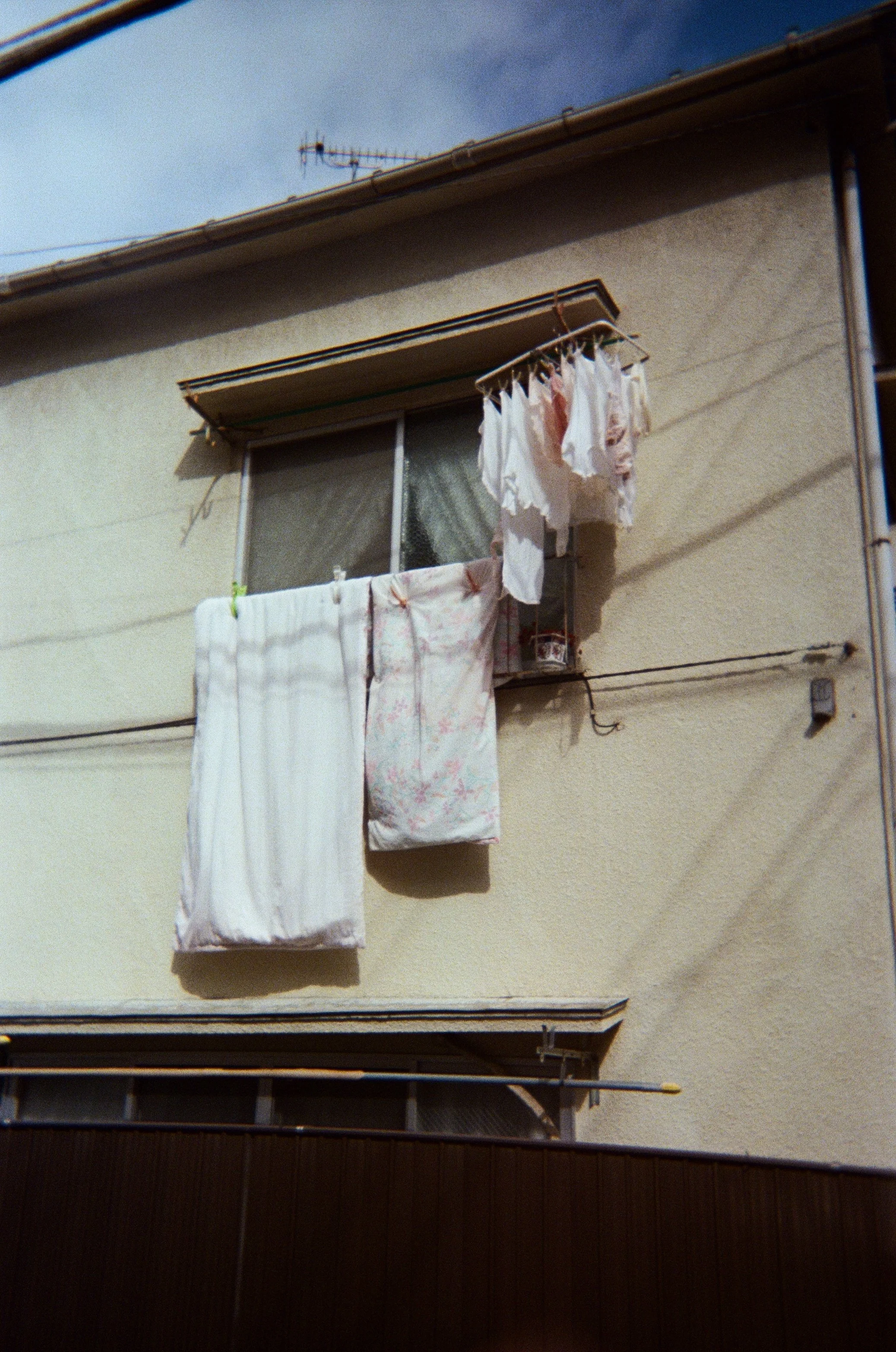
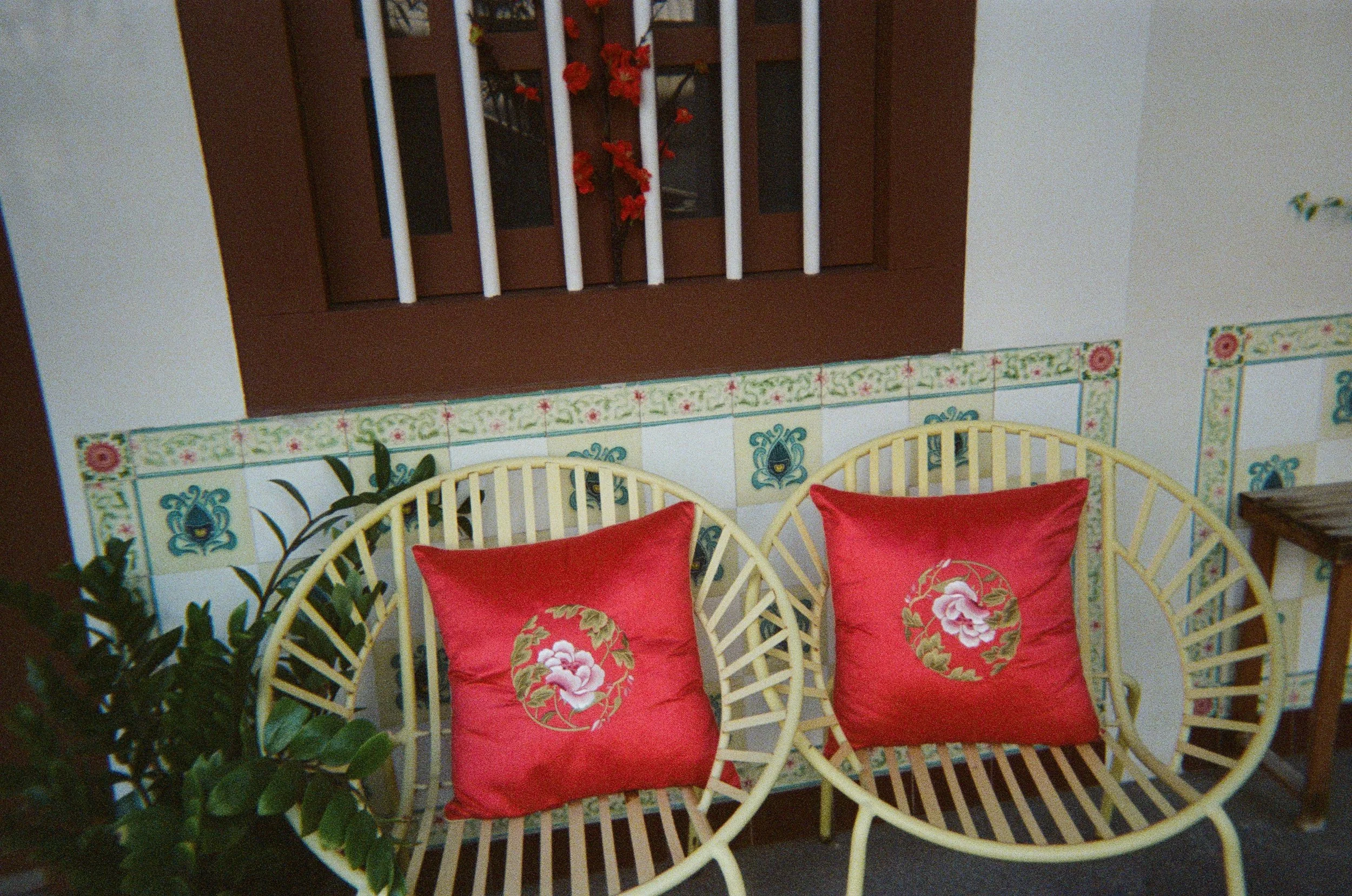
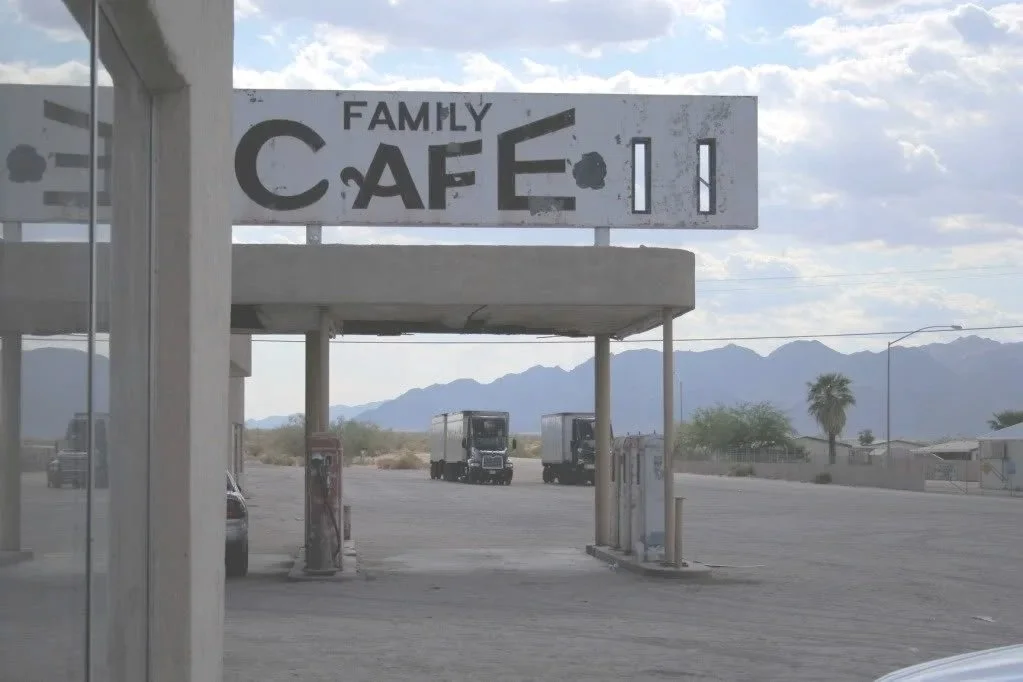
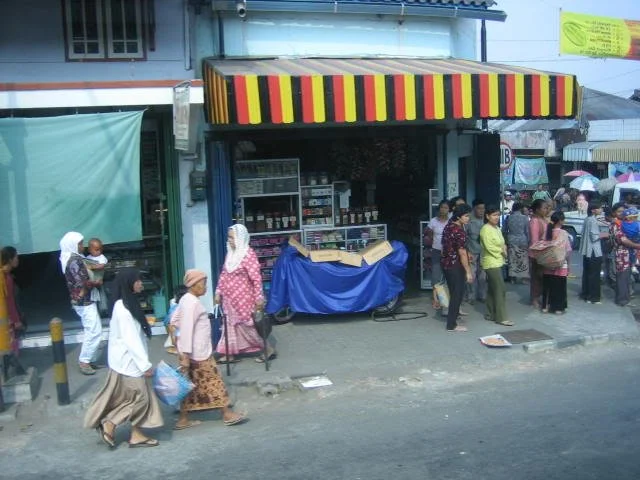
I love discovering the character of a place— returning to the same spot at different times of day to see how natural light shapes its contours and the rhythms of daily life change. What appears ordinary at noon can be transformed at dusk.
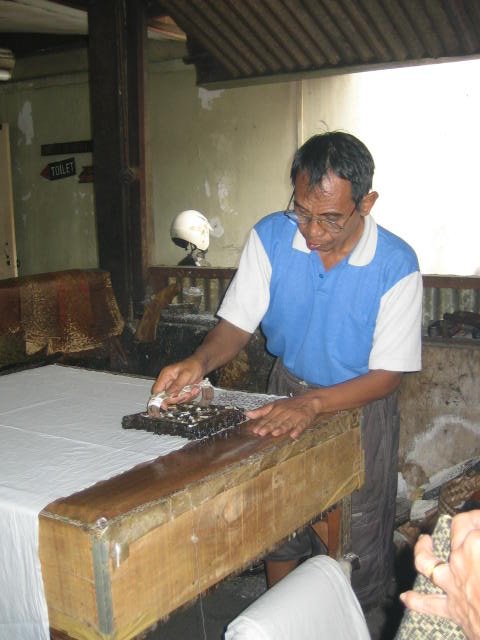
I’m drawn to well-crafted everyday objects — clothing, glassware, utensils, furniture — that balance form and function, and to experiences that bring people together: shared meals, unhurried conversations, wandering about in silence. I’m continually struck by how thoughtful design and sensory detail can make those moments more meaningful.